Reitir hf.
| Date: | 14.4.2026 |
|---|---|
| Country: | Iceland |
| Customer: | Reitir hf. |
| Amount in ISK: | ISK 4,375 million |
| Amount in EUR: | EUR 29 million |
| Maturity: | 10 years |
| Business sector: | Industry & Real Estate |

Facilities
Arctic Financing Facility (read more): 100%
Project
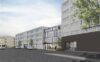
The loan has been provided to the Icelandic real estate company Reitir hf. to co-finance the conversion of two former office buildings in Reykjavík, Iceland.
The Icelandic public healthcare system is currently facing challenges, including an ageing population, an increasing prevalence of chronic diseases, limited hospital and nursing home capacity, workforce shortages, and long waiting times for elective and specialist care.
1. Conversion of an office building into a nursing home
The nursing home, with a total area of approximately 6,500 square metres, will have capacity for 87 residents and is scheduled to commence operations during the first half of 2027. The total project costs amount to ISK 5,750 million.
2. Refurbishment and expansion of an old office building into health care facilities
The project comprises the refurbishment of an existing office building, as well as new construction. The investments include new operating rooms, a pharmacy, and infrastructure for radiology equipment.
The total size of the facilities will be approximately 7,610 square metres, with total project costs of ISK 3,000 million. The project’s first phase was completed earlier in 2025, and it is expected that the second phase will be fully completed by Q2/2026. The facilities’ operations will be run by Klíníkin, a privately owned healthcare clinic.
The total project costs are approximately ISK 8,750 million.
Fulfilment of NIB’s mission
Iceland currently has fewer long-term care beds per 1,000 inhabitants aged 65 and above compared to other Nordic countries. People aged 67 and above currently constitute approximately 13% of the population, a share that is projected to increase to around 20% by 2050.
This demographic development is expected to result in sustained demand for elderly care facilities. Estimates suggest that the number of available long-term care beds will need to double by 2040 to meet future demand.
Productivity:
1. Conversion of an office building into a nursing home
The project aims to increase nursing home capacity and address the shortfall in available nursing home beds. The nursing home will be integrated with health care and social services, thereby enhancing efficiency, reducing reliance on specialist care and contributing to shorter hospital stays.
Studies indicate that each long-term care bed can free up to 170 to 230 hospital bed-days annually, resulting in significant cost savings for the public healthcare system.
The integration model will leverage digitalisation and data-driven tools, including medication management systems, remote monitoring solutions, and increased staff care hours, all of which contribute to reducing unplanned incidents. The nursing home will also be close to the new national hospital.
Ex-post assessment indicators:
- Number of beds
2. Refurbishment and expansion of an old office building into health care facilities
The new facilities will increase surgical capacity by approximately 50% through the addition of two operating rooms, two procedure rooms for minor surgeries, an expanded inpatient ward, and 28 offices for medical staff.
Given the current challenges facing the Icelandic public healthcare system, including long waiting times for elective and specialist care, private clinics can provide faster access to non-urgent surgeries and specialist consultations, thereby helping alleviate pressure on the public system.
Ex-post assessment indicators:
- Number of surgeries
- Numbers of visits
- Reduction in waiting times
Environment:
No significant environmental concerns identified.
Sustainability summary
No significant concerns identified.