New energy for Tartu
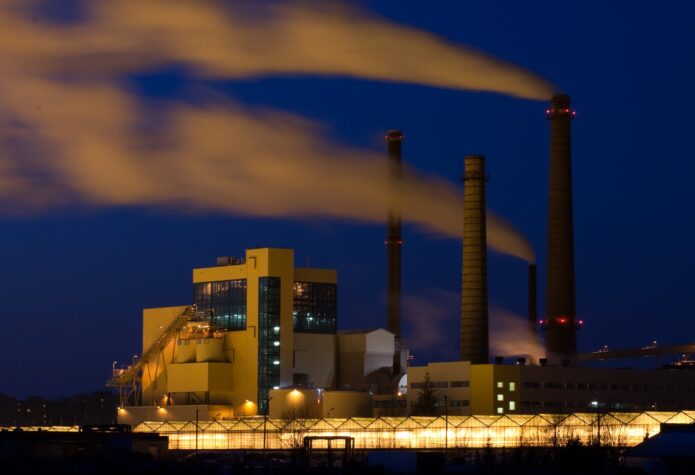
A peat- and biomass-fired power plant built in Estonia’s second-largest city, Tartu, will help reduce the local economy’s dependence on imported natural gas.
Finnish-Estonian Fortum Tartu AS received a NIB loan for building a new combined heat and power plant back in 2007.
The company supplies of Tartu, a city of 100,000 inhabitants. The network covers 85% of Tartu’s households, and produces electricity for export to neighbouring Latvia.
Most of the plant’s old boilers used to be heated with gas, but have now been replaced with modern units working on peat and wood chips. The output capacity of the new facility totals 52 MW of heat and 25 MW of electricity.
CHP plants have become increasingly common throughout Europe. The technology is based on consuming less fuel for energy production. This is possible thanks to the simultaneous production of heat and electricity, as well as by minimising energy loss during delivery to consumers by using heat generated close to the plant. CHP plants improve the efficiency of heat production by up to 89%.
“The CHP plant in Tartu is the first of its kind in Estonia. It is an important step for us at Fortum Tartu, the city of Tartu and a milestone in the modernisation of Estonia’s energy production,” says Madis Nommik, Fortum Tartu’s Financial Manager.
The new plant will cut down on the use of imported gas from 171 GWh in heat and power output to 20 GWh per year. This is an important reduction for an economy greatly dependent on the import of gas from Russia. The Estonian economy would benefit from improving the balance of its current account, spending less on imported fuel and increasing energy exports. The annual production of heat and electricity from peat and wood chips will total 600 GWh. To secure this demand, Fortum Tartu has signed contracts with peat harvesting sites close to the city. Wood chips for the new boilers are supplied from producers throughout the country.
Apart from generating income for contractors, the production and transportation of the fuel are creating up to 200 new jobs in Estonia, where unemployment is on the rise in common with many other countries in Eastern Europe. The benefits that Tartu households gain from modern heat production are obvious: heating prices in Tartu are 24% lower than in other areas, where heat production is based on gas.
“Our heat prices are among the lowest in Estonia. Local fuel allows us to reduce the reliance on the costly import of gas from Russia and it also guarantees a steady supply,” says Margo Külaots, Chairman of Fortum Tartu’s management board.