Huge environmental improvements at Polish power plant
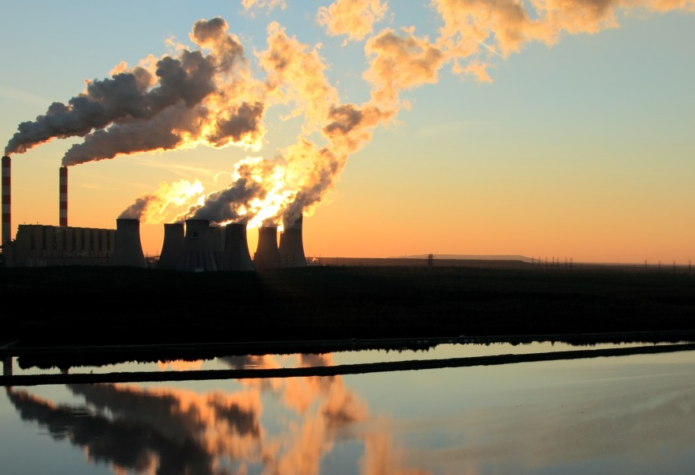
Polish electricity company BOT Elektrownia Belchatów S.A. is making major investments in its power units. A new power unit and modernisation of existing units will improve efficiency and reduce environment-polluting emissions. The investment will result in the power plants, which are run on lignite, fulfilling both Polish and European environmental requirements.
Between 1994 and 2009, emissions of sulphur dioxide will have been reduced by 320,000 tons per year. Further reduction of emissions by 20,000 tons per year is to be achieved by 2016 at the latest. This can be compared with Sweden’s total emissions of sulphur dioxide of around 50,000 tons per year. However, BOT Elektrownia Belchatów’s power plant is huge, with an installed capacity of 4,400 megawatt, compared with a standard-sized European nuclear power plant, which has a capacity of 1,000 megawatt.
“The most important thing is that the cross-border emissions will be reduced significantly. The power plant has been a major contributor of acid rain in the region, but it will not be any more,” explains NIB’s Environmental Manager Johan Ljungberg.
The value of investments amounts to EUR 1.6 billion, and NIB is lending EUR 120 million to the electricity company. In December 2005 the loan amount was further increased by EUR 30 million to a total of EUR 150 million.
“This is one of NIB’s largest loans ever and the largest environmental loan in history,” explains Deputy Regional Manager at NIB, Yngve Söderlund.
BOT Elektrownia Belchatów S.A. is Poland’s largest electricity producer and is responsible for 20 per cent of Polish electricity production. The entire BOT group produces one third of all Polish electricity. The Polish energy market is currently being deregulated, and from the start of 2006 between 60% and 70% of BOT Elektrownia Belchatów’s electricity output will be sold on the free market in Poland.
“It is important for NIB to be involved in projects like this. Secure and competitive access to energy is a key issue for the economic development of the Baltic Sea region, and this project guarantees access to electricity in the region,” says Söderlund.