Eyes in the sky – Drone R&D enhances regional security
Since the start of the war in Ukraine, drones have evolved from niche tools into strategic capability. In response, Estonian R&D company Metrosert has established a platform to support Nordic and Baltic companies in developing drones and related technologies.
The Nordic–Baltic region is increasingly focusing on security cooperation, illustrated by initiatives such as the Drone Wall, a coordinated virtual defence network developed by European countries in the eastern region, including for example Finland and the Baltics.
“We’re strong supporters of the Drone Wall. We’re engaged in constant dialogue on how to protect our borders with our good friends at VTT Technical Research Centre of Finland, for example,” says Rainer Kivimäe, Head of the Drone Technology Unit at Metrosert, in Tallinn, Estonia.
Metrosert is a state-owned Estonian institution founded in 1919. In January 2024, Metrosert established its Drone Technology Unit, which provides testing and research capabilities for companies in the Nordic-Baltic region. Metrosert’s testing measures the reliability, durability, and performance of clients’ drones and related components.
“We have many successful and powerful companies in the drone sector here in Estonia. After the war in Ukraine started, we wanted to support them, as well as the Estonian defence sector.”
Strengthening cooperation in the region
- In addition to the Drone Wall, in October 2025, Finland, Sweden, Norway, and Denmark signed a Technical Arrangement to prepare joint procurements of unmanned aircraft systems and related technologies. In addition, the four NIB member countries will intensify cooperation in R&D, training and exchange of information.
- Separately, the four countries will also pursue joint Nordic procurements of micro‑sized drones through the NATO Support and Procurement Agency partnership, and of mini‑sized drones under the framework agreements of the Danish Ministry of Defence.
- Source: Finnish Government
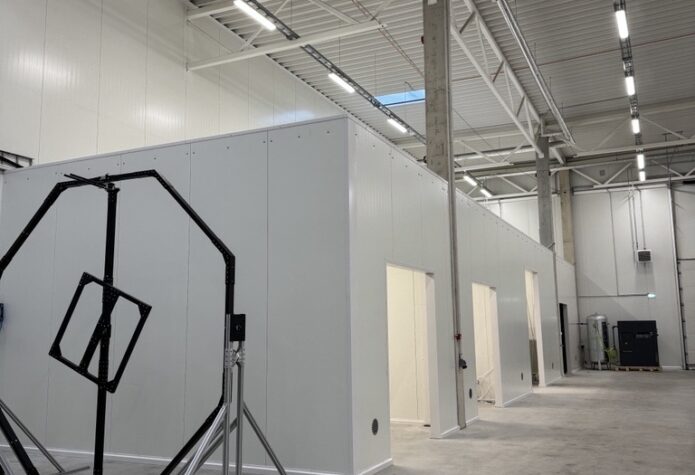
The Drone Technology Unit currently has five chambers already in use, with two more to be added during the first months of 2026.
“You don’t have to go to the North Pole to see how a product survives extreme cold—you can come to us,” Kivimäe laughs, as we walk into the large testing hall on the outskirts of Tallinn, home to the laboratories.
Our first stop is the Dust Chamber, where a product’s dust resistance is tested. For example, drones operating in the air may be exposed to dust carried by the wind, making it essential to know how reliably they operate in that environment.
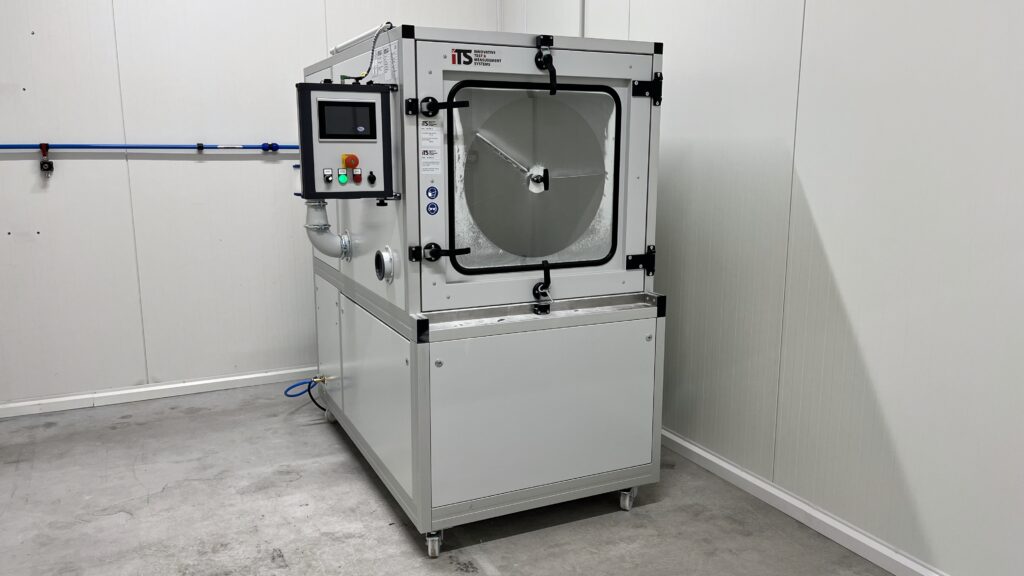
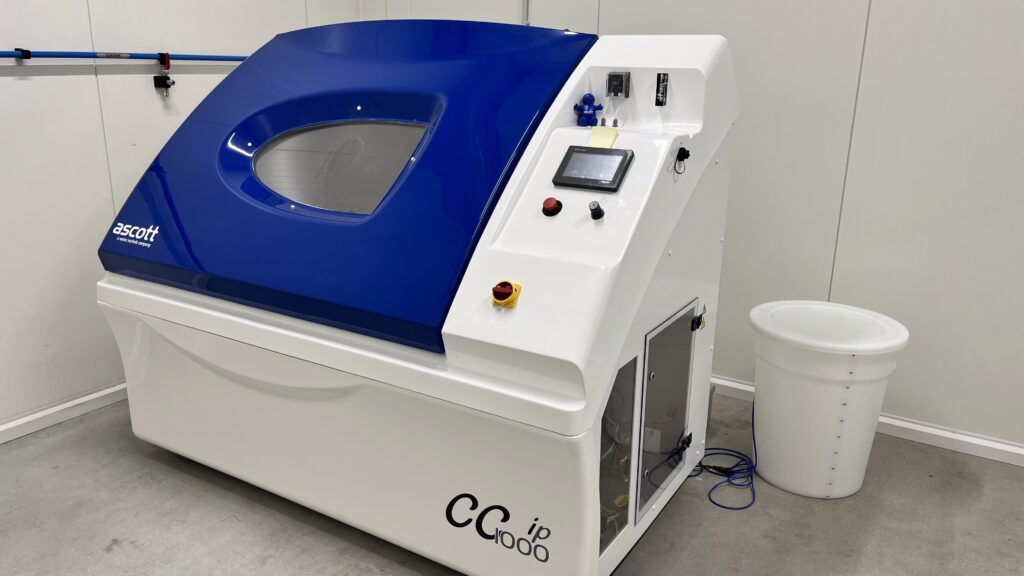
The next stop is the corrosion chamber, also known as the salt chamber. The chamber assesses the product’s resistance to corrosion from salt water or humidity, for example. It’s good to remember that drones are not only flying in the air—they can also be unmanned vehicles operating on land and in the sea.
“In some conditions, military ships spend years in salty waters. This way, we can see if a material, let’s say painted aluminium, should still be in good condition in five years or not.”
The salt levels can also be adjusted, depending on the planned location. The temperature can reach as high as 60 degrees Celsius, with one test running for as long as 90 days.
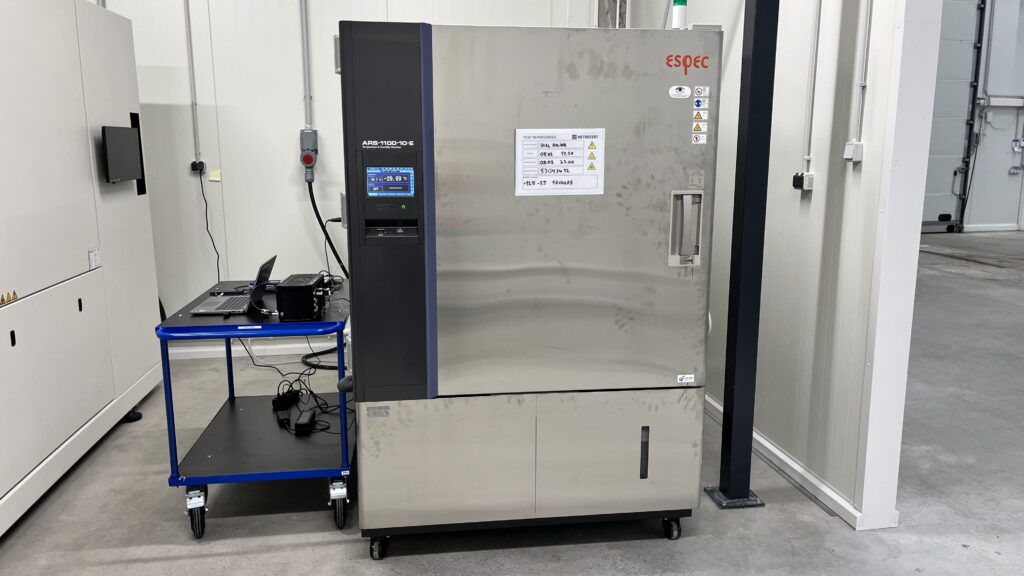
Next, we come across the climate chamber, which is currently doing testing for one of Metrosert’s clients. The screen displays that the temperature in the chamber is currently -29.7 degrees Celsius. The chamber evaluates the product’s reliability and performance under different temperature and humidity conditions. The temperature can be adjusted to as low as -70 or as high as 180 degrees Celsius.
Kivimäe points out that the climate chamber is especially important in the Nordic-Baltic region, as the climate is quite different from the rest of Europe.
“For example, we can do a cycle test in the chamber for a product between 500 and 600 times in different conditions. We can see how it manages during rapid heating or cooling and see if there are going to be any cracks on the component.”
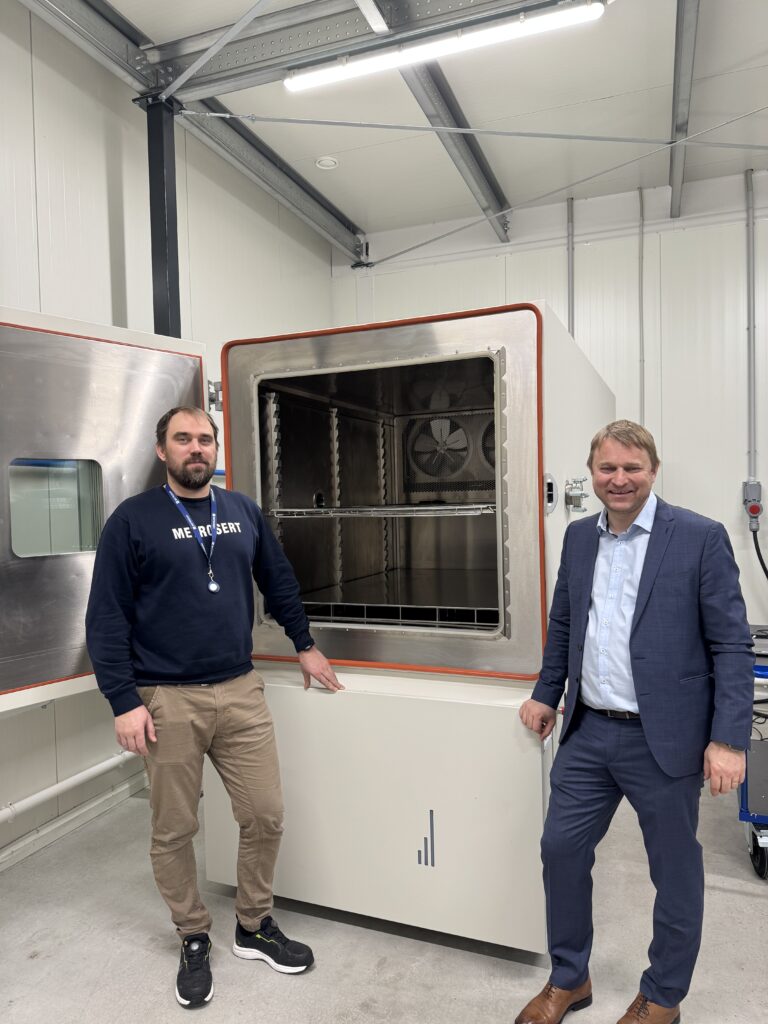
In the same room as the climate chamber is the Altitude chamber. It simulates high-altitude conditions and displays how the product can operate in low-pressure environments, which is especially crucial for air drones. The altitude in the chamber can be simulated to as high as 30.5 kilometres, with a temperature range of -70 to 120 degrees Celsius.
Supporting the product development in the early phase is the Gyroscope stand. Controlled by a joystick, it can be used to test stability, measure angular velocity and optimize flight performance. It can also be used to measure drone noise levels, which is especially important for military-designed air drones. In the future, it can also be moved inside the drive-in climate chamber, which is expected to begin operations during 2027.
In the next months, Metrosert will also add two more units: a Vibration Test System and a HALT/HASS (Highly Accelerated Life Test/Highly Accelerated Stress Test) chamber, which provides a combined testing environment for handling temperature changes, humidity and vibration.
Kivimäe points out that the testing done in the laboratories is strongly supported by the research conducted at the Unit. The research can be divided into three groups: unmanned aviation; communication and navigation; and flight physics.
“Our testing is only as strong as the research behind it.”
Opportunities on the civil side
Approximately 92% of Metrosert’s clients are from the defence sector, and they are primarily located in the Nordic-Baltic region. These clients include companies, government agencies and research institutions.
Some clients produce subsystems tightly integrated with drones, such as cameras and other surveillance systems. It is crucial to know that these cameras can operate in various environments, especially when they are used on unmanned boats at sea for border monitoring.
Although most clients primarily focus on drones intended for military use, they are increasingly considering dual-use opportunities, says Kivimäe.
“On the civil side, we already have interesting companies in the delivery sector, both in the air and on the ground.”
Adapting to continuous external disturbances
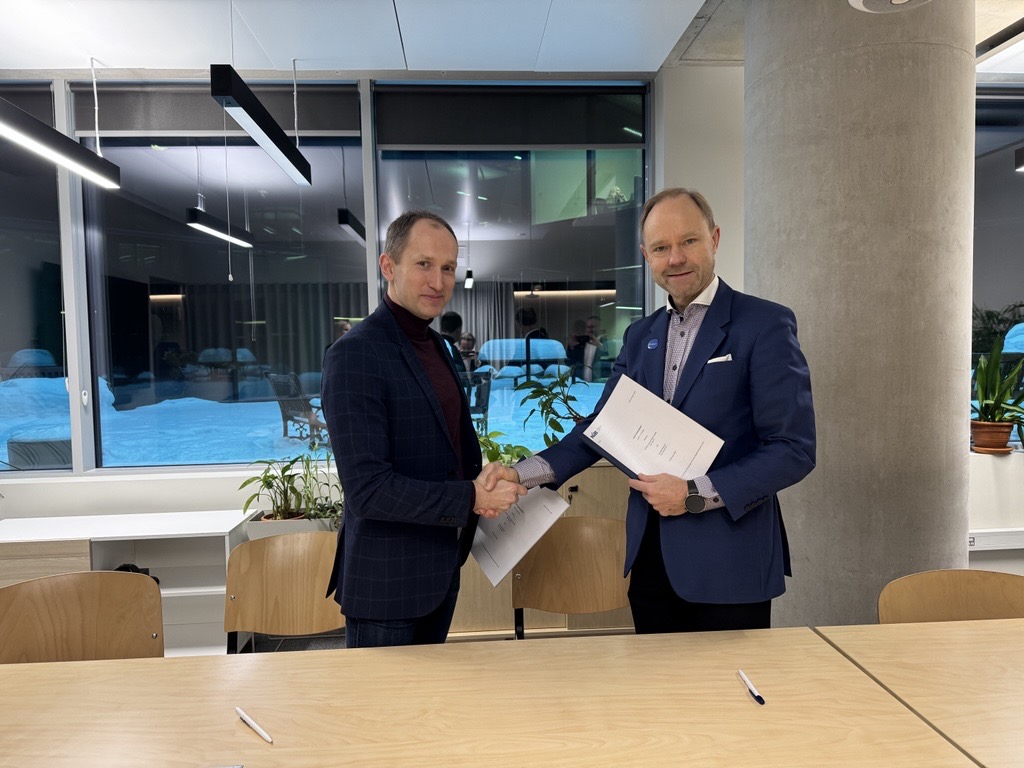
In 2027, Metrosert plans to move its laboratories to larger premises near the current location. There, the unit will also include an EMC (Electromagnetic compatibility, Immunity, Emissions and Interference) chamber and a drive-in climate chamber.
The EMC chamber ensures that different management systems do not interfere with each other and can operate simultaneously. It can also monitor how a product withstands external disturbances.
“It’s important to remember that external disturbances constantly affect the Nordic-Baltic region, not just in conflict areas.”
Finally, it can also evaluate how easily radars can detect a flight object.
“Are the radars in our region effectively detecting all the drones they should? What methods can we use to make our drones less visible, such as incorporating different materials or paints? Essentially, this is a two-way street: we need to explore both how to detect drones and how to reduce their visibility.”
The Drive-In Climate chamber will offer a spacious area for testing large machines and various products simultaneously under controlled temperature and humidity conditions. In Nordic regions, it is essential to understand how effectively our military vehicles perform under varying environmental conditions. This knowledge is crucial for both product development and lifecycle management.
“You’ll see how large vehicles and humans with equipment can survive in various conditions. For example, how will their communication channels and navigators work?”
In the future, Metrosert also plans to open an outdoor testing area.
In uncertain times, providing a complete testing cycle from initial prototypes to outdoor flights is crucial. Not only for Estonia, but for the whole Nordic-Baltic region.
“The bottom line for us is to take our clients to the next level. In this field of work, this sometimes means saving the lives of our people.”